The Neurology of Not Starting and Which App Patterns Match How Freeze Actually Feels
It maps three kinds of freeze to the app features that help.
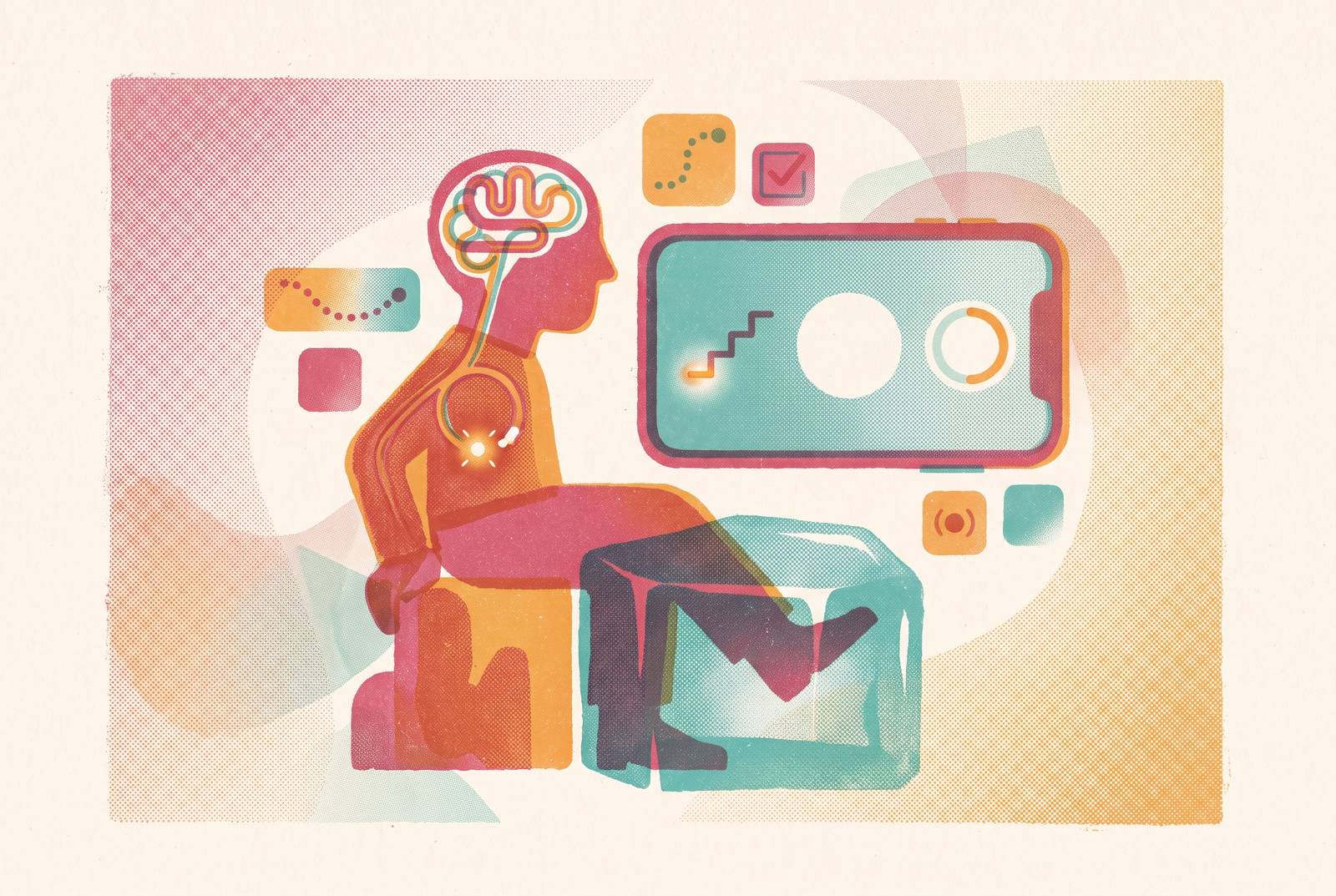
An ADHD app for task paralysis and executive dysfunction should do more than show unfinished tasks: it should make them easier to start. Micro-steps, low-friction capture, immediate rewards, and external structure address different barriers within freeze. The neurological distinction guides the choice of tools that support action while demanding less willpower.
Why ADHD freeze is not procrastination: the neurological distinction that changes everything
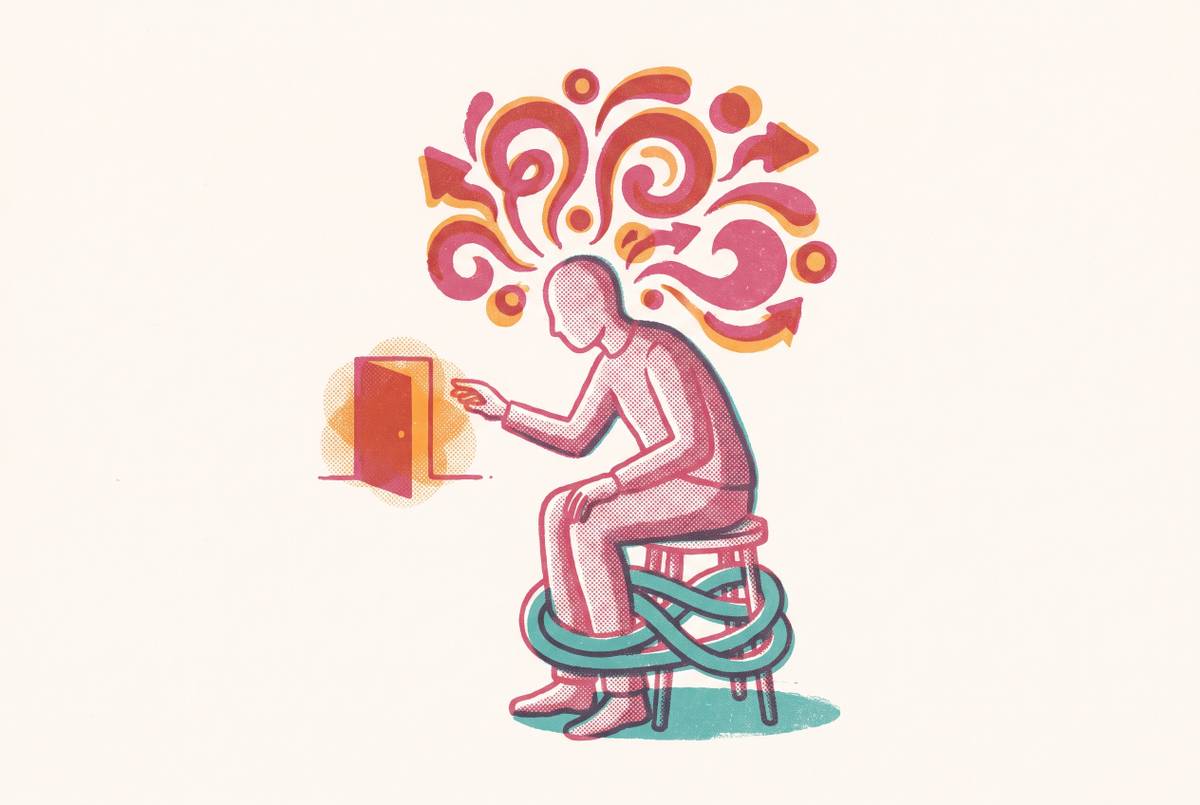
The email is waiting, its purpose is clear, and the wish to answer it is genuine. Yet nothing happens. That gap between knowing and doing is the defining experience of ADHD paralysis, often called freeze. A person may feel heavy in their body or blank in their mind while knowing exactly what needs doing. A person may have information, intention, and concern about the consequences yet remain unable to act.
The useful distinction from ordinary procrastination is the felt loss of agency. Choosing to delay differs from wanting to act but being unable to initiate it, although the boundary is not always obvious from outside. Kind Psychiatry describes the ADHD brain as struggling to activate the systems needed to begin or sustain action. A tool must help with activation as well as make the task harder to ignore.
What is happening in the brain during a freeze: dopamine, the prefrontal cortex, and two failing circuits
Two difficulties that feed into each other help explain freeze: weak dopamine-driven activation and impaired prefrontal executive function. Dopamine helps signal that an action is worth beginning, while the prefrontal cortex supports planning, prioritizing, and sequencing. Knowing the steps does not mean a person can carry them out. Norepinephrine also helps a person keep paying attention when there is little stimulation, so trouble in these signaling systems can make it hard both to start and to keep going. This is a general model of interacting processes whose application to any individual freeze episode would require direct measurement.
Ventral striatal activation can be reduced during reward anticipation. An expected payoff may not draw a person toward the task strongly enough, especially when that payoff is far off. The signal is weaker before action begins. The “interest-based nervous system” description captures why novelty, challenge, or immediate urgency can make activation easier. Kind Psychiatry emphasizes that hyperfocus on an exciting activity does not establish that the person could apply the same focus elsewhere by trying harder.
Emotion can amplify the difficulty through the amygdala’s fight-flight-freeze response. Fear of failure, rejection sensitivity, or perfectionism can make starting feel threatening as well as unrewarding. Meanwhile, default mode network hyperactivity can keep attention cycling through rumination and self-criticism, drawing it away from the task. These processes can make each other stronger during freeze. So an app that makes a task simpler but adds to shame may make it easier to start in one way and harder in another.
Three distinct freeze patterns and why each one requires a different entry point
Task paralysis occurs when a single defined action remains inaccessible, such as answering an email or opening a document. The person may already know every step they need to take. Design should therefore begin with a smaller, unmistakable first action that demands less activation, with less emphasis on explaining why the task is important.
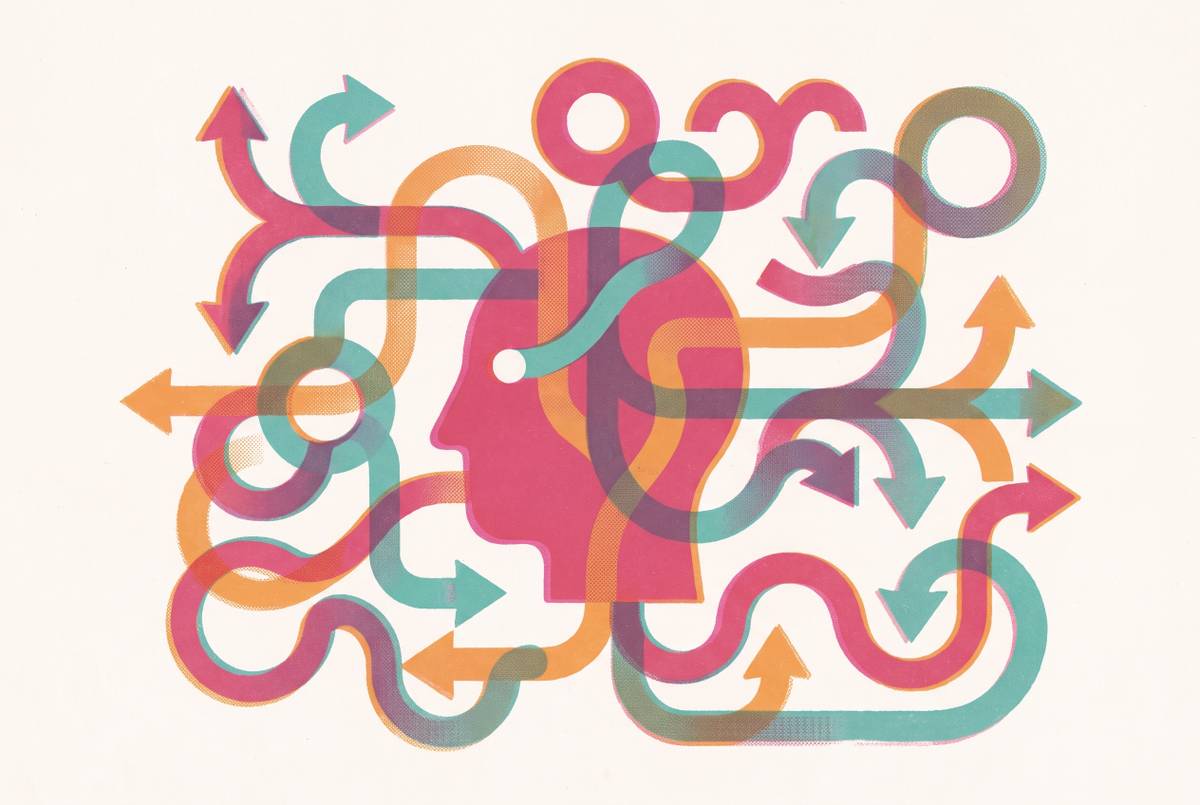
Choice paralysis begins with competing possibilities, such as which task to do first or what to eat. Attention cycles without settling on a next move. When executive resources are already taxed, even low-stakes decisions can become an overload trigger. A pre-decided sequence settles what to do next, while breaking all the tasks into smaller pieces can still leave the person having to choose between them.
In emotional paralysis, a person feels that doing a task could bring criticism, failure, or rejection. Starting a document may feel like showing work that is not good enough, especially when the person also has anxiety. The barrier is not simply task size. Shame-reducing language and a low-stakes first action address that emotional cost more directly. These three patterns can overlap, but distinguishing their triggers prevents every episode from receiving the same design response.
Why conventional productivity apps make freeze worse rather than better
A list can make the work perfectly visible while leaving the user unable to begin. Standard task tools often assume that visibility will produce action, then add requirements such as categorizing an item or choosing its date. Those requirements consume the resource already under strain. Complex setup similarly demands executive function before the tool can offer help, creating a mismatch between what the app requires and what the person can supply during freeze.
Raghavendra Deshmukh’s 2025 paper, Toward Neurodivergent-Aware Productivity, argues that conventional tools have little context-awareness and do too little to help as a person’s thoughts and feelings change. Its critique extends from individual features to the system as a whole. A reminder supplies information about a deadline, but does not necessarily supply an initiation signal. Repeatedly ignored reminders can also deepen shame, while accumulating overdue items make the intention-action gap more visible.
Micro-decomposition: how breaking tasks into absurdly small steps lowers the initiation threshold
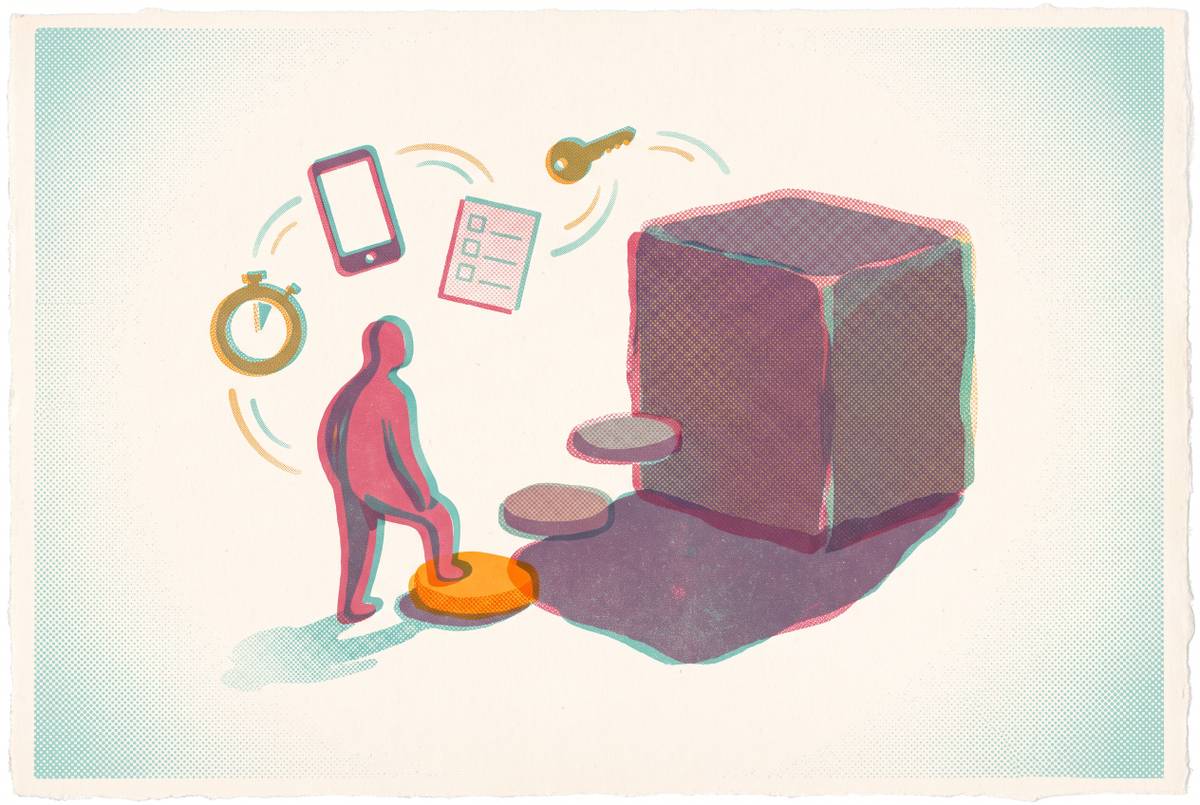
“Write the report” names an outcome. “Open the document” identifies a physical action without requiring the whole project to be mentally assembled first. Micro-decomposition reduces perceived size and ambiguity so that the first step requires less activation. Kind Psychiatry describes that single action as the whole task for now, rather than an inadequate fragment of the real assignment.
The two-minute rule makes the design requirement concrete, with a first step that takes less than two minutes and requires no further decision. Completion then provides immediate feedback and a small reward signal, creating a possible bridge to the next action. Implementation intentions reinforce that link by pairing a defined situation with a specific action. AI-assisted decomposition can remove another burden by generating ordered micro-steps, rather than requiring the frozen person to do the decomposition unaided.
Gamification as deliberate dopamine delivery: why XP and rewards are a design intervention, not a gimmick
Micro-steps let a person make progress sooner, but that progress also needs to be felt. XP, points, and visible progress indicators can attach immediate feedback to an action whose natural reward is distant. The timing is the central design feature here. The payoff from submitting a report next week may be too far off to help a person open the document today.
Does that make a gamified consumer app a treatment? The evidence does not justify that conclusion. Much digital-intervention research concerns children and clinical programs, and consumer-specific randomized controlled trials are sparse. Reward circuitry supplies a mechanistic rationale for gamification as a motivation aid, leaving claims that any particular product changes dopamine signaling or produces durable clinical benefits unproven. What looks like success may well be engagement that lasts only a short time.
Reward design can also reverse its intended effect. A streak that disappears after one missed day may make loss more salient than the earlier gains, encouraging shame and abandonment. Forgiveness is therefore part of the design requirement. ADHD-supportive rewards should recognize small wins without making uninterrupted performance the condition for keeping them. Otherwise, the reward system recreates the emotional pressure that can already obstruct starting.
Voice-first and low-friction entry: removing the initiation barrier at the moment it matters most
Before an app can help with a task, the task must enter the app. Opening it, typing a thought, organizing that thought, and assigning fields can form a sequence of initiation demands. Capture itself can become the blocked task. Voice input reduces the combined burden of typing and structuring thoughts, while AI-powered tools can transcribe speech, detect tasks in unstructured content, suggest priorities, and generate summaries. The relevant benefit is less manual organization at the moment of capture.
Deshmukh proposes a voice-enabled assistant with adaptive nudges designed to support cognition without disruption. That proposal offers a way to design tools, but it still needs clinical proof. The same low-friction principle applies to one-tap entry, optional categorization, and saving without a required date. Automatic scheduling and quiet rescheduling can also reduce the backlog-management burden associated with time blindness. The test is whether automation removes a decision or merely moves it to another screen.
Body doubling and external accountability: borrowing regulation from the environment when internal regulation fails
What if the task is already tiny and capture is effortless, but starting remains inaccessible? Body doubling offers help from another person who is there in person or online. The task itself need not change at all. External social stimulation can help with focus and engagement when internal regulation is insufficient. Kind Psychiatry includes body doubling among behavioral strategies that can reduce the frequency and intensity of freeze episodes.
Presence is distinct from reporting performance to someone. Body doubling can work without conversation, progress checks, or having to explain unfinished work, which sets it apart from accountability arrangements that may add to shame. Deshmukh’s framework includes accountability-based presence and body doubling-inspired co-working signals, although a proposed digital framework does not establish that every simulated presence reproduces human co-working. That distinction prevents a mechanism-based argument from becoming an endorsement of any feature labeled “accountability.”
Focusmate offers web-based, 1:1 video body doubling. Its free option includes three sessions per week, while Focusmate Plus has a paid monthly rate, billed monthly or at a discount annually. The use case is access to social presence. It helps a person start or keep working with someone else present, which meets a different need from automatic task breakdown. It is not simply a more elaborate task list.
Routine scaffolding and time externalization: building the structure the ADHD brain cannot generate internally
Freeze can recur at transitions even after the first task has begun. Time blindness goes beyond forgetting an appointment: it makes it hard to sense how long things take and how much time has passed. Each transition can demand another act of initiation. A pre-decided sequence reduces choice paralysis by settling what comes next, while a visible countdown or audible time cue makes duration available outside the person’s internal sense of time.
Brili walks users through routine steps with timers and audio cues, addressing both the next-action question and the time available. Routinery also organizes routines into ordered steps, with countdown timers and voice-guided text-to-speech announcements. Both connect sequencing support with external time cues. Their relevant distinction from a static checklist is guidance through the routine, rather than merely a record of its contents. This is particularly pertinent when routine tasks repeatedly trigger both choice and task paralysis.
1Timer focuses on announcing time remaining at customizable intervals, without requiring phone-checking. Its narrower use case is external time awareness, while an ordered routine supplies a sequence of actions. That difference helps clarify whether the immediate problem is losing track of time or repeatedly deciding what comes next. A tool can fit one of those needs well without addressing the other.
What the design patterns have in common and what that means for choosing tools
The shared criterion is whether support arrives before the capacity it is meant to support is required. A tool that demands planning before offering planning help creates a circular dependency. The same problem applies to motivation and initiation. The lesson for choosing an ADHD app is to identify the first blocked operation, then ask whether the tool reduces its cost. Features useful after work begins are not automatically useful at that earlier threshold.
For task paralysis, that evaluation centers on whether the app supplies an actionable first step without requiring the user to construct it. For decision paralysis, it centers on whether the next action is pre-decided. Emotional cost belongs in the evaluation too. Missed days, overdue tasks, and unfinished routines should not make returning feel more threatening, because shame can strengthen the very freeze the tool is supposed to ease.
A generic app’s failure may reveal that it required intact initiation before any of its benefits became available. The right question is not “will this make me more productive?” but “does this meet my brain where it is during a freeze?”